
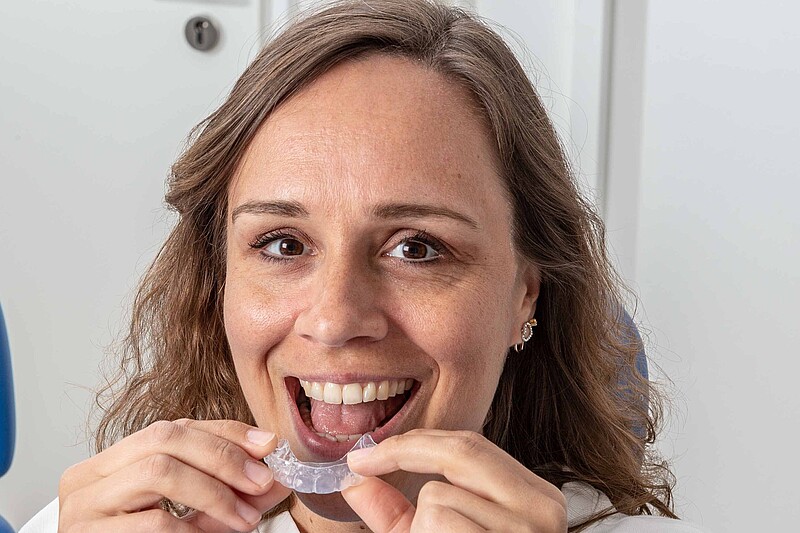
When should a patient receive an occlusal guard? Which appliance is most appropriate? And how can dental practices deliver treatment efficiently while maintaining profitability?
These are questions many clinicians face daily. In a recent article, Dr. Jeffrey Hoos draws upon more than 45 years of clinical experience to explore the evolving role of occlusal guards in modern dentistry and how digital workflows are transforming the way practices diagnose, fabricate, and deliver these appliances.
Temporomandibular disorders (TMD) and bruxism remain among the most complex conditions dentists encounter. While occlusal guards are often prescribed to manage symptoms and protect dentition, Dr. Hoos emphasizes that TMD is multifactorial and that no single treatment is appropriate for every patient.
“Not everything is a nail,” notes Dr. Hoos, reminding clinicians that effective patient care requires balancing clinical expertise, scientific evidence, and individualized treatment planning.
Occlusal appliances serve a variety of clinical purposes, including:
- Protecting teeth from wear and fracture caused by bruxism
- Managing muscle-related TMD symptoms
- Reducing tension headaches and migraines
- Supporting restorative and cosmetic treatment outcomes
- Assisting with sleep apnea management through mandibular advancement devices
The article reviews several common appliance designs highlighting their indications and limitations. The key takeaway: treatment success depends not only on appliance selection but also on patient understanding, acceptance, and compliance.